Skip Navigation
Oregon State University

Infectious Waste Disposal

Safety Instruction Number: 
29
Last Update: 
Tue, 09/04/2007

General

  • Infectious waste must be disposed of in a carefully controlled manner in accordance with regulations administered jointly by
    • Oregon DEQ and
    • Oregon State Health Department (OSHD).

Waste Definitions

  • Infectious waste has been defined to include biological waste, cultures and stocks, pathological waste, and sharps
  • Each of these categories has a proper disposal method
  • Infectious wastes must either be incinerated or treated prior to disposal
    • BIOLOGICAL WASTE includes blood and blood products, excretions, exudates, secretions, suctionings and other body fluids that cannot be directly discarded into the municipal sewer system, but EXCLUDES articles contaminated with fully absorbed or dried blood
      • Biological waste must either be incinerated, sterilized with steam in a dedicated autoclave as described below, or treated by some other nationally recognized method which has been approved and formally adopted by the OSHD
      • If proven alternate methods are available and departments intend to use them, the department should contact EH&S so that a request can be made to OSHD to accept the method
      • After treatment, biological waste may be treated as normal refuse
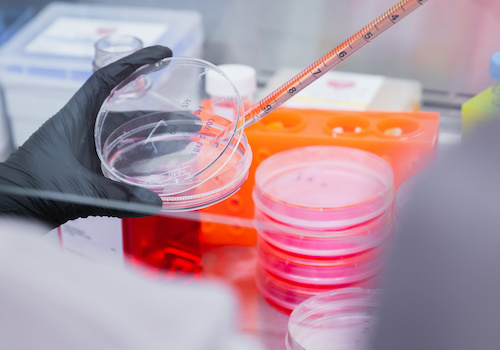
    • CULTURES AND STOCKS include etiologic agents and associated biologicals, including specimen cultures and dishes and devices used to transfer, inoculate and mix cultures. The definition also includes wastes from the production of biologicals, serums, and discarded live or attenuated vaccines
      • Cultures and stocks must be treated in the same way as biological waste.
    • PATHOLOGICAL WASTE includes biopsy materials, all human tissues, and anatomical parts from surgery and other procedures. It also includes carcasses and bedding from animals exposed to pathogens in research, but does NOT include teeth or preservative agents such as formaldehyde
      • Pathological waste must be incinerated
    • SHARPS includes needles, scalpel blades, lancets, glass tubes that could be broken during handling and syringes that have been removed from their original sterile containers
      • Sharps must be incinerated
      • The definition DOES NOT exempt needles or syringes used for non-infectious materials

Storage

  • Storage of infectious waste is dependent on type
  • Infectious waste should be segregated from other wastes by putting in separate containers at the point of generation
    • Containers should be located to minimize access by unauthorized persons and clearly identified as containing infectious waste
    • Except for sharps, infectious waste should be stored in red plastic bags OR containers made of other materials impervious to moisture and strong enough to prevent tearing under normal use conditions
  • Pathological, biological and culture/stock wastes should be treated or disposed within 7 days of generation, or within 30 days if refrigerated or frozen
    • If a generator (laboratory or department) produces less than 50 pounds of waste in a calendar month, the 7 day storage limitation does not apply
  • Sharps should be contained in leak proof, rigid, puncture resistant RED containers which have tight lids or are taped closed
    • There is not limit on the length of storage for sharps.

Disposal Procedures

  • AUTOCLAVES (or other pressurized vessels) used for infectious waste treatment must be so designated
    • Written operating procedures should be developed and records kept detailing the parameters for treatment, methods for monitoring, methods for indicating adequate sterilization conditions during each treatment, and monthly tests of sterilization conditions using a specified biological indicator
  • SHARPS containers that are full will be collected EH&S
    • Sharps will be collected from any campus locations
    • Sharps containers can be purchased from commercial vendors
    • Those generators who anticipate having infectious wastes other than sharps should contact EH&S to coordinate with an infectious waste disposal firm
  • DISPOSAL of infectious wastes has been described above under the definition of each type
    • Wastes which must incinerated must be sent to a DEQ-permitted infectious waste incinerator
    • Wastes which may be disposed as trash should be clearly marked "NON-INFECTIOUS" or "STERILE" and put inside outer packaging which is NOT red or orange in color.

Exemptions

  • An exemption was written in the regulations for infectious waste that is generated in the practice of veterinary medicine AND is NOT capable of causing disease in humans through being communicated by invasion and multiplication in body tissues
  • This exemption does not apply, however, to the category of sharps