


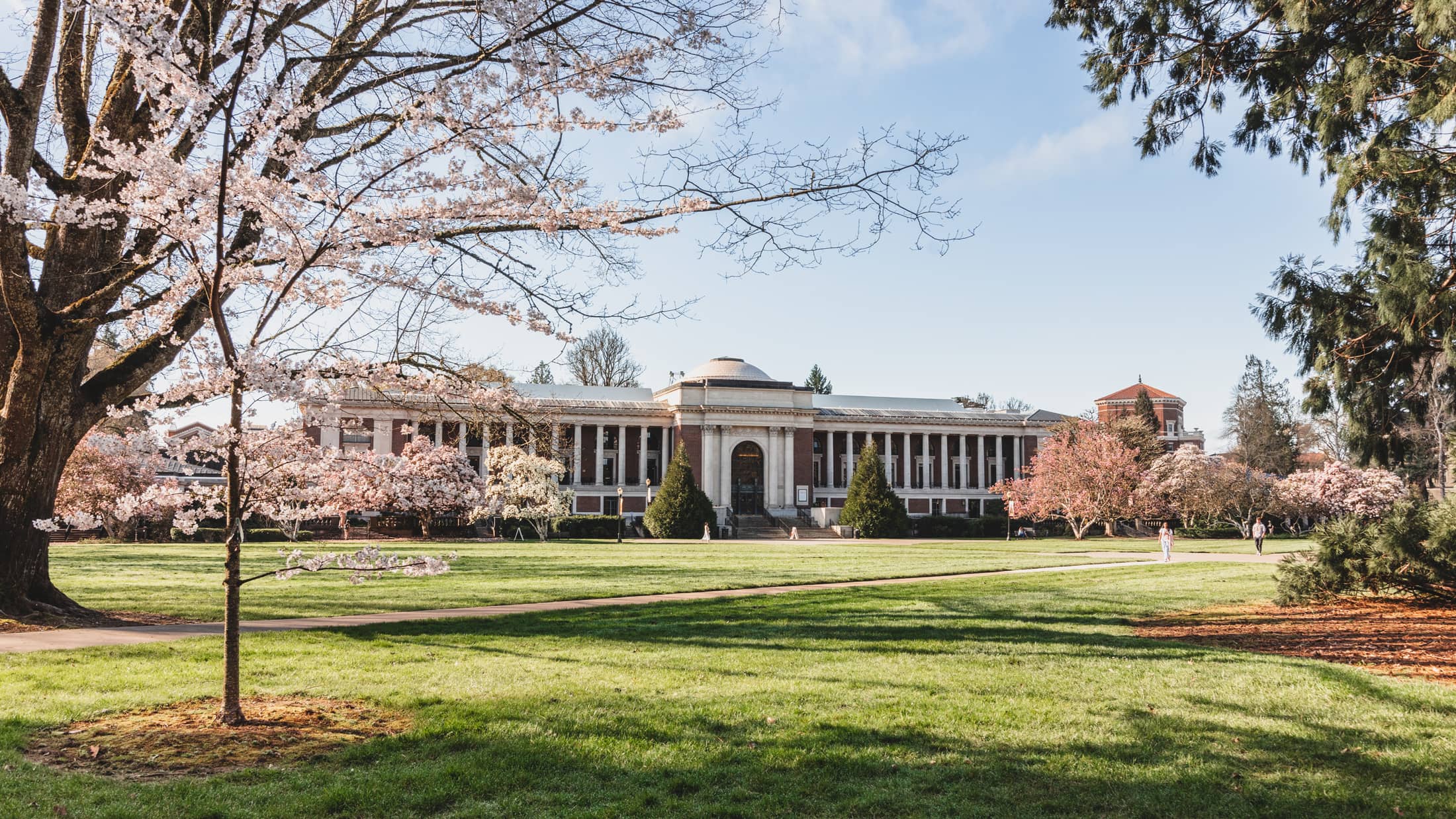
Oregon State University, LANDSCAPE PLANTS, Vol. 3
skip page navigationOregon State University    Department of Horticulture
Landscape Plants
Images, Identification, and Information
Volume 3  Copyright ©, Oregon State University, 1999-2008 

This is Volume 3 of Oregon State University's Landscape Plants web site.   Landscape plants (mostly woody, i.e., shrubs and trees) in this volume are listed in alphabetical order by genus, from P (Pachysandra) through Z (Zelkova).  From the list below select a letter which corresponds to the first letter of the genus you wish to view or, if listed, the genus itself (or search the Common Name List).
First letter of genus (or a Genus itself)
Volume 1 A  Abies  Acer  Aesculus  Alnus  Amelanchier  Arbutus  Arctostaphylos  Aucuba
  B  Berberis  Betula  Buddleia  Buxus
  C  Calocedrus  Camellia  Carpinus  Castanea  Ceanothus  Cedrus  Cercis
  Chaenomeles  Chamaecyparis  Chionanthus  Cistus  Clematis  Cornus
  Corylus  Cotoneaster  Crataegus  Cupressus  Cytisus
  D  Daphne  E  Elaeagnus  Escallonia  Eucalyptus  Euonymus
 Volume 2   F  Forsythia  Fraxinus  G  H  Hamamelis  Hebe  I  Ilex  J  Juglans  Juniperus
  K  Kerria  Koelreuteria  L  Larix  Ligustrum  Liquidambar  Liriodendron  Lonicera
  M  Magnolia  Mahonia  Malus  Myrica
  N  Nyssa  O  Osmanthus
 Volume 3
current
P  Parthenocissus  Photinia  Picea  Pinus  Populus  Prunus  Pseudotsuga  Pyrus
  Q  R  Rhododendron  Rhus  Ribes  Rosa  Rubus
  S  Sambucus  Sequoia  Sorbus  Spiraea  Stewartia  Syringa  T  Taxus  Thuja  Tilia  Tsuga
  U  Ulmus  V  Viburnum  W  Y  Z  Zelkova

Some additional items:
Pachistima  see Paxistima
Pachysandra       Buxaceae
Spurge, Pachysandra        pak-i-SAN-dra
Four species of evergreen or semi-evergreen herbaceous perennials or subshrubs.  Form mat-like or mounding clumps of fleshy, rhizome-like stems, with deep green leaves in whorls of 2-4 at the tips.  Thrive in dry shade.  Native to China, Japan, and southeastern U.S. (P. procumbens).
Pachysandra: from pachys, thick, and andros, male, referring to thick stamens (male flower parts).
  • Pachysandra procumbens      [Allegheny Pachysandra]      Common Name List
          (plant habit)  (plant habit)  (leaves)  (leaf)  (info)

  • Pachysandra terminalis      [Japanese Spurge, Pachysandra]      Common Name List
          (plant habit)  (leaves and flower buds)  (flowers and leaves)  (flower cluster)  (info)

  • Paeonia       Paeoniaceae
    Peony       pay-ON-ee-a
    Over 30 species of clump-forming herbaceous perennials (most) and deciduous, sometimes suckering shrubs or subshrubs (tree peonies).  Leaves are compound, and leaflets usually are toothed or lobed.  Flowers are generally large, showy, sometimes fragrant.  Native range from Europe to eastern Asia, two species are found in western North America (P. brownii and P. californica).
    Paeonia: from the Greek name paionia, meaning Paion, physician to the gods in mythology.
  • See Paeonia officinalis  Common Peony    Volume 4: Herbaceous Ornamental Plants

  • Paeonia lutea ssp. ludlowii      [Tibetan Peony]      Common Name List
          (plant habit, flowering)  (flowers and leaves)  (info)

  • Paeonia suffruticosa      [Tree Peony]      Common Name List
          (plant habit, flowering)  (plant habit, flowering)  (flowers)  (flower)
          (flower)  (open flower)  (leaflets)  (fruit)  (info)

  • Parakmeria       Magnoliaceae
          
    Five or so species of evergreen trees.  Buds terminal, young leaves not folded.  Leaves semitransparent, blade extends down the petiole (decurrent), margin entire.  Flowers terminal, solitary, 9-12 petals (tepals), 3 outer petals almost leathery.  Produces male and bisexual flowers on separate plants.  Fruit ellipsoid to obovoid, mature carpels woody, 1 or 2 red or yellow seeds per carpel.  Native to southwestern and southeastern China.
    Parakmeria:
  • Parakmeria lotungensis      [Eastern Joy Lotus Tree]      Common Name List
          (plant habit and leaves)  (info)
      Parkinsonia    see  Cercidium
    Parrotia       Hamamelidaceae   (Witch Hazel Family)
    Persian Parrotia, Persian Ironwood, Irontree       par-RO-ti-a
    A single species, a slow growing tree (see below).  Native to northern Iran.
    Parrotia: after F.W. Parrot (1792-1841), a German naturalist and professor of medicine.
  • Parrotia persica      [Persian Parrotia, Persian Ironwood]      Common Name List
          (plant habit, early spring flowering)  (flowers)  (plant habit, summer)  (leaves and flower remnants)
          (leaves)  (fruit)  (plant habit, fall)  (leaves, fall)  (trunks, bark)  (trunks, bark)  (info)

  • Parrotiopsis       Hamamelidaceae   (Witch Hazel Family)
          par-ro-ti-OP-sis
    A single species in this genus (see below).  Native to the Himalayas.
    Parrotiopsis: from Parrotia and the Greek opsis, indicating resemblance.
  • Parrotiopsis jacquemontiana      
          (plant habit, flowering)  (flowers)  (bark)  (buds, winter)  (info)

  • Parthenocissus       Vitaceae   (Grape Family)
    Virginia Creeper       par-then-o-SIS-us
    About 10 species of deciduous woody vines with tendrils that are often tipped with adhesive disks.  Leaves alternate, simple or compound (palmate).  Flowers small, bisexual or unisexual, 4-5 petals, stamens short and erect, in clusters.  Native to North America, east Asia, and Hymalaya.
    Parthenocissus: from the Greek parthenos, virgin, and kissos, ivy.
  • Parthenocissus quinquefolia      [Virginia Creeper]      Common Name List
          (plant habit)  (leaf, summer)  (leaves and immature fruit)  (leaves and fruit)
          (plant habit, fall)  (leaves and fruit, fall)  (leaf, fall)  (info)

  • Parthenocissus tricuspidata      [Boston Ivy, Japanese Parthenocissus]     Common Name List
          (plant habit, summer)  (leaves, summer)  (leaves and immature fruit)
          (plant habit, fall)  (leaves, fall)  (fruit on wall, winter)  (info)

  • Passiflora       Passifloraceae
    Passion Flower       pa-si-FLO-ra
    A large genus with some 500 species of herbaceous perennials and vines, often climbing by tendrils, as well as shrubs or small trees.  Stems often angular.  Leaves alternate, extremely variable, but often 3-5 lobed, petioles variable in length, frequently with 2-8 stalked glands.  Flowers usually singular, calyx tubular, 5 sepals, 5 petals (or absent), with a ring of filaments in several rows, 5 stamens.  Fruit is often a juicy many-seeded berry, from pea-sized to as large as a small melon.  Native to tropical Americans, Asia, Australia, and Polynesia.
    Passiflora: a reference to the Passion of Christ, the parts of the flower have been compared to aspects of the crucifixion of Christ.
  • Passiflora caerulea       [Blue Passion Flower]      Common Name List
          (plant habit, flowering)  (flowers)  (bud, flower, and fruit)  (leaves)  (info)

  •   Some small visitors (residents?) on tour of The Oregon Garden in Silverton, Oregon
    Paulownia       Scrophulariaceae
          paw-LO-nee-a
    About 17 species of tall, deciduous trees, having thick branches without terminal buds.  Leaves opposite, usually large, cordate (heart-shaped) at the base, entire or 3-5 lobed, often pubescent, especially below.  Flowers appearing before leaves, corolla tube elongated, widening at the apex, violet to white, calyx deeply 5 parted, 4 stamens.  Fruit a leathery capsule with many small winged seeds.  Native to eastern Asia.
    Paulownia: after Anna Paulowna, daughter of Paul I, Tsar of Russia (1795-1865).
  • Paulownia tomentosa       [Empress Tree, Royal Paulownia]      Common Name List
          (flower buds (winter) and emerging flowers (spring))  (plant habit, flowering)  (flower clusters)
          (flower)  (leaf, flower, fruit)  (plant habit, summer)  (leaves)  (leaves and maturing fruit)
          (fruit and immature flower clusters, winter)  (fruit clusters, winter)  (fruit and seeds)
          (trunk, bark)  (spent terminal flower clusters, winter)  (winter twigs, buds)  (info)

  • Paxistima (Pachistima)       Celastraceae
    Mountain Lover       paks-ISS-ti-ma
    Two species of dwarf evergreen shrubs, twigs 4-angled, corky, and finely warted.  Leaves opposite, densely arranged, small, entire or finely serrate.  Flowers inconspicuous, green or reddish.  Fruit is a leathery capsule.  Native to North America.
    Paxistima: from the Greek pachy, thick, and stimga.
  • Paxistima canbyi    [Mountain Lover, Cliff Green]    Common Name List
          (plant habit)  (leaves)  (info)

  • Paxistima myrtifolia    [Oregon Boxwood, Mountain Lover]  Native List  Common Name List
          (plant habit)  (branch and leaves)  (branches, leaves, buds)  (info)


  • Pernettya mucronata   [Chilean Pernettya]  see Gaultheria mucronata

  • Phellodendron       Rutaceae
          fel-o-DEN-dron
    About 10 species of deciduous tall trees; bark is frequently thick and corky.  Winter buds are enclosed by the base of the petiole.  Leaves opposite, compound (pinnate).  Flowers small, dioecious, yellow tinged with green, sepals and petals 5-8.  Fruit a globose, pea-sized black drupe.  Native to temperate and tropical eastern Asia.
    Phellodendron: from Greek, phellos, cork, and denderon, tree, a reference to the corky bark of some species.
  • Phellodendron amurense       [Amur Corktree]      Common Name List
          (plant habit)  (plant habit, older tree)  (leafy branch)  (leaf and enclosed bud)
          (leaf, comparison)  (flowering branches (male), summer)  (male flower cluster and flowers)
          (female flowers)  (immature fruit and leaflets)  (leaves and fruit, summer)  (plant habit, fall)
          (leaves and fruit, fall)  (fruit and leaves, early winter)  (trunk, bark)  (info)

  • Phellodendron chinensis      [Chinese Corktree, Chinese Phellodendron]     Common Name List
          (plant habit)  (leaves and developing fruit)  (trunk, bark)  (info)
  • Phellodendron sachalinense      [Sakhalin Corktree, Sakalin Phellodendron]     Common Name List
          (plant habit)  (leaves and developing fruit)  (info)
    Philadelphus       Hyrangeaceae (Philadelphaceae)
    Mockorange       fil-a-DEL-fus
    Some 60 species of, usually deciduous, shrubs with peeling bark.  Axillary buds may be exposed or hidden within the base of the petiole.  Leaves usually simple and opposite.  Flowers in solitary or in clusters, usually strongly fragrant, 4 sepals and 4 petals, numerous statmens.  Fruit a capsule with many seeds.  Native to North and Central America, Caucasus, Himalaya, China, and eastern Asia.
    Philadelphus: Greek word meaning brothery love; or after Ptolemy Philadelphus (ruled 285-246 BC), a patron of the arts and sciences.
  • Philadelphus × ‘Buckley's Quill’        [Buckley's Quill Mockorange]     Common Name List
          (plant habit, flowering)  (flowering branch)  (info)

  • Philadelphus lewisii    [Wild Mockorange, Lewis Mockorange]  Native List  Common Name List
          (in habitat, flowering)  (landscape plant habit, flowering)  (leaves and flower buds)
          (leaf)  (flowering branch)  (flowering branch)  (flowers)  (developing fruit)  (info)

  • Philadelphus × virginalis        [Virginal Mockorange]     Common Name List
          (info)

      Two cultivars of the Virginalis Group (Philadelphus × virginalis):
    Phillyrea       Oleaceae
          fil-LY-ree-uh
    A genus with 4 species of evergreen shrubs or small trees.  Leaves opposite, simple, linear to ovate-elliptic, yellow-green to dark green.  Flowers 4-lobed, white, in axillary clusters.  Fruit blue-black, spherical or ovoid.  Native to the Mediterranean and southwest Asia.  Closely related to Osmanthus.
    Phillyrea: the classic Greek name, apparently derived from a non-Greek name.
  • Phillyrea latifolia      [Mock Privet]     Common Name List
          (plant habit)  (leaves)  (info)

  • Phlox subulata      [Moss Pink, Moss Phlox]      Common Name List
        (plant habit, flowering)  (two cultivars, flowering)  (flowers and leaves)  (info)

  • Photinia       Rosaceae
    Photinia, Christmas Berry       fo-TIN-ee-a
    About 60 species of deciduous and evergreen trees and shrubs   Leaves simple, alternate, entire to small toothed, short petiole, leaf-like stipules.  Flowers in clusters (panicle or corymb), usually white, 5 petals, 5 sepals which persist on the fruit.
    Photinia: from the Greek photeinos, shining, a reference to the glossy leaves.
  • Photinia davidiana   (aka Stranvaesia davidiana)   [Chinese Stranvaesia]      Common Name List
          (plant habit)  ( new leaves and previous season's fruit)  (new leaves)  (leaves)  (leaf)
          (leaves, comparison)  (leaves and immature fruit)  (fruiting branches)  (info)


  •   A selection of Photinia davidiana:
  • Photinia × fraseri      [Fraser Photinia]     Common Name List
          (mature leaves and new growth, early spring)  (new leaves)  (plant habit, spring)
          (leaves, spring)  (plant habit, flowering);  (flower cluster and flowers)
          (mature leaves)  (fruit cluster)  (info)

  • Photinia glabra       [Japanese Photinia]      Common Name List
          (plant habit (pruned), spring)  (new leaves)  (leaf)  (plant habit, flowering)
          (flowers, fruit and leaves)  (plant habit (pruned), summer)  (leaves, summer)
          (info)

  • Photinia serrulata       [Chinese Photinia]      Common Name List
          (plant habit)  (leafy shoot)  (leaves)  (new leaves and start of flowering)
          (plant habit, flowering)  (flower clusters)  (fruit and leaves)  (info)

  •     Leaves of some Photinia, a comparison
                (leaves, spring)    (leaves, summer)
    Physocarpus       Rosaceae
    Ninebark       fi-so-KAR-pus
    Some 6-11 species of deciduous shrubs (spirea-like), tall, exfoliating bark.  Leaves alternate, simple, usually 3-lobed, conspicuous stipules soon abscising.  Flowers in terminal clusters (corymbs), white, calyx 5-lobed, 5 petals, numerous stamens, 1-5 carpels, usually 5.  Fruit is a small follicle which bursts open at both seams.  Nearly all species are native to North America, one (P. amurensis) is found in Manchuria and Korea.
    Physocarpus: from the Greek physa, bladder, and karpon, a fruit, a reference to the small, bladder-like fruit.
  • Physocarpus capitatus   [Western Ninebark, Pacific Ninebark]  Native List   Common Name List
          (plant habit, small plants)  (young leaves)  (leaves and flower (bud) clusters)
          (opening flowers)  (flower and fruit cluster)  (fruit cluster and fruit)  (plant habit, summer)
          (foliage)  (leaf)  (fruit cluster and leaves)  (in habitat, fall)  (leaf, fall)  (info)
  • Physocarpus malvaceus   [Mallow Ninebark]  Native List   Common Name List
          (info)
  • Physocarpus opulifolius   [Common Ninebark, Eastern Ninebark]    Common Name List
          (leaves and flowers)  (info)

      Three cultivars of Physocarpus opulifolius:
    Picea       Pinaceae
    Spruce       PI-see-a
    Conifer, evergreen, generally tall and symmetrical, usually pyramidal or conical.  Nearly 40 species in the genus, mostly confined to colder regions in the Northern Hemisphere.  A peg-like stalk supports each leaf (needle) and they remain when leaves fall; needles usually 4-sided, sometimes flat.  Cones mostly hanging.  Many cultivars occur within some species, e.g., P. abies, P. glauca, P. pungens.
    Picea: an ancient Latin word for the spruces, derived from pix, a word for pitch.
    Remember:
        Fir          flat needles (usually) and friendly (to the touch, usually, but Spanish Fir is sharp pointed)
        Spruce    sharp, square (needles in cross-section, usually)
        Pine         in packages (needles in groups of 2, 3, 5, rarely one)

  • Picea abies      [Norway Spruce]     Common Name List
          (plant habit)  (large branch)  (branches and cone)  (branchlets)  (branch, needles)
          (female and male cones, spring)  (immature and mature cones)  (branchlets and cones, "portrait")
          (trunk, bark)  (info)


  •   A few selections of Picea abies:
  • Picea asperata        [Dragon Spruce]     Common Name List
          (plant habit)  (branchlets and needles)  (info)

  • Picea breweriana    [Brewer Spruce]  Native List  Common Name List
          (plant habit)  (branchlets and cones)  (needles)  (info)

  • Picea engelmannii    [Engelmann Spruce]  Native List  Common Name List
          (branches)  (branchlets)  (leaves (needles) and buds)  (info)
  • Picea glauca      [White Spruce, Canadian Spruce]      Common Name List
          (plant habit)  (shoots)  (branches and cones)  (shoots and cone)  (info)


  •   Selections of Picea glauca, ‘Conica’ is very common:
  • Picea mariana      [Black Spruce]     Common Name List
          (info)

      A selection of Picea mariana:
  • Picea omorika      [Serbian Spruce]     Common Name List
          (plant habit)  (branches and emerging needles)  (branches)  (needles)  (trunk, bark)
          (info)


  •   A few selections of Picea ormorika:
  • Picea orientalis      [Oriental Spruce]      Common Name List
          (plant habit and branches with cones)  (branchlets and cones)  (needles)  (trunk, bark)  (info)


  •    Two cultivars of Picea orientalis:
  • Picea pungens var. glauca      [Colorado Blue Spruce]     Common Name List
          (plant habit)  (newer and older branches)  (branchlets)   (branchlets, "portrait")  (needles)
          (branch with cones)  (cones and seeds)  (info)


  •    Three upright cultivars of Picea pungens:    Prostrate and weeping cultivars of Picea pungens:
  • Picea sitchensis   [Sitka Spruce]  Native List   Common Name List
          (plant habit)  (large branch)  (branchlets)  (shoots and cone)  (needles, upper and lower sides)
          (shoots, comparison with P. punges var. glauca)  (developing cones, spring)
          (seed cones, mature)  (shoots with adelgid damage)  (trunk, bark)  (info)


  • Picea willsonii   [Wilson's Spruce]    Common Name List
          (plant habit)  (branch with cones)  (branchlet, needles)  (info)

  • Pieris       Ericaceae
          pi-ER-is, PEE-e-ris
    About 7 species of broad-leaved evergreen shrubs, small trees, and vines.  New growth often tinged red or bronze.  Leaves alternate, entire or serrate, leathery.  Flowers often in erect or drooping clusters, corolla white, pitcher-shaped, 5-lobed, 10 stamens.  Native to eastern U.S., West Indies, eastern Asia and Himalaya.
    Pieris: from Pierides a name of the Muses, the nine sister goddesses of Greek mythology presiding over the arts and sciences.
  • Pieris formosa var. forrestii      [Chinese Pieris, Himalaya Pieris]     Common Name List
          (plant habit, winter)  (leaves and flower buds)  (plant habit, flowering, spring)
          (new growth and flowers)  (flower clusters)  (info)

  • Pieris japonica      [Japanese Pieris]      Common Name List
          (plant habit, flowering)  (plant habit, flowering (again))  (flower clusters and leaves)
          (flower clusters, red)  (new growth and flower clusters)  (flower cluster, new leaves)
          (leaves and fruit)  (new and expanding leaves)  (info)


  •    A few selections of Pieris japonica:
    Pinus       Pinaceae
    Pine       PI-nus, PEE-nus
    Conifer, evergreen of various heights, tall to rather shrubby. Adult leaves (needles) borne in clusters of 2, 3, or 5; persist for 2 or more years. Cones variable in outline, may remain on the tree for several years. Approximately 110 species in the genus, nearly all in the Northern Hemisphere.
    Pinus: the Latin name.
    Remember:
        Fir          flat needles (usually) and friendly (to the touch, usually, but Spanish Fir is sharp pointed)
        Spruce    sharp, square (needles in cross-section, usually)
        Pine         in packages (needles in groups of 2, 3, 5, rarely one)

  • Pinus albicaulis    [Whitebark Pine]   Native List   Common Name List
          (in habitat)  (branches)  (leaves (needles) and cones)  (cones)
          (trunk, bark)  (info)
  • Pinus aristata      [Bristlecone Pine]      Common Name List
          (plant habit)  (branches)  (branch with cone and needles)  (branch and needles)
          (immature male and female cones)  (mature seed cones)  (trunk, bark)  (info)

  • Pinus attenuata    [Knobcone Pine]   Native List   Common Name List
          (plant habit)  (branch with needles and cones)  (cones attached to large branch)
          (needles and cones)  (cones)  (trunk, bark)  (info)

  • Pinus banksiana       [Jack Pine]       Common Name List
          (plant habit)  (needles and cones)  (cones, peresistent and opened)  (trunk, bark)  (info)

  • Pinus bungeana       [Lacebark Pine]       Common Name List
          (plant habit)  (plant habit)  (leafy branches)  (needles)  (needles)
          (trunk, bark)  (info)
  • Pinus cembra      [Swiss Stone Pine]       Common Name List
          (plant habit)  (info)


  • Pinus contorta var. contorta   [Shore Pine]  Native List   Common Name List
          (plant habit)  (branches and cones)  (branch: needles and cones)
          (needles)  (trunk, bark)  (trunk, pitch)  (info)


  • Pinus contorta var. latifolia   [Lodgepole Pine]  Native List  Common Name List
          (plant habit, native habitat)  (plant habit)  (branch, developing and spent cones)
          (developing cone)  (cones, closed)  (open cones)  (cone and needles)  (trunk, bark)  (info)


  • Pinus densiflora        [Japanese Red Pine]      Common Name List
          (plant habit)  (needles and cones)  (trunk, bark)  (info)


  • Two cultivars of Pinus densiflora:
  • Pinus edulis   [Pinyon Pine]      Common Name List
          (plant habit and shoot)  (info)
  • Pinus flexilis   [Limber Pine]  Native List   Common Name List
          (info)

  • Pinus halepensis   [Aleppo Pine]      Common Name List
          (plant habit)  (crown)  (branch, needles and cones)  (open cone)
          (trunk, bark)  (info)

  •          Pinus heldriechii or P. heldreichii var. leucodermis   see Pinus leucodermis
  • Pinus jeffreyi   [Jeffrey Pine]  Native List   Common Name List
          (plant habit)  (branch, needles)  (needle cluster)  (info)
  • Pinus kwangtungensis   [Kwangtung Pine]    Common Name List
          (plant habit)  (branch and cone)  (info)
  • Pinus lambertiana   [Sugar Pine]  Native List   Common Name List
          (plant habit)  (needles)  (info)
  • Pinus leucodermis   [Bosnian Pine]    Common Name List
          (plant habit)  (branches and cones)  (branch tip and needles)
          (trunk, bark)  (info)

    A selection of Pinus leucodermis:
  • Pinus monophylla   [Singleleaf Pinon Pine]  Common Name List
          (plant habit)  (needles)  (needles and cones)  (trunk, bark)  (info)
  • Pinus monticola   [Western White Pine]  Native List  Common Name List
          (plant habit)  (branches)  (branch)  (shoot, needles)  (needles, close-up)
          (needle, close-up, comparison with P. strobus)  (immature female cones)
          (female cones)  (male (pollen) cones)  (branch and mature cones)
          (info)


  • A selection of Pinus monticola:
  • Pinus mugo      [Mugo Pine]       Common Name List
          (plant habit)  (plant habit)  (branches)  (cones and new shoots)
          (branches with cones)  (trunks, 60 year old trees)  (info)


  • Several dwarf cultivars of Pinus mugo:
  • Pinus nigra      [Austrian Pine]      Common Name List
          (plant habit)  (needles and mature cones)  (needles and seed cones)  (shoot tips, winter)  (cones)
          (cones, comparison with Pinus thunbergii)  (trunk, bark)  (info)


  • A few selections of Pinus nigra:
  • Pinus parviflora      [Japanese White Pine]     Common Name List
          (plant habit)  (cone and needles)  (info)


  • Some selections of Pinus parviflora:
  • Pinus pinaster      [Maritime Pine, Cluster Pine]     Common Name List
          (plant habit and trunk)  (branch, needles)  (pollen cone and needles)
          (bud and developing cone)  (branch, needles and cones)  (needles (close-up))
          (cone surface)  (trunk, bark)  (info)

  • Pinus pinea      [Italian Stone Pine, Umbrella Pine]     Common Name List
          (plant habit, young)  (leaves (needles))  (info)

  • Pinus ponderosa    [Ponderosa Pine]  Native List  Common Name List
          (plant habit)  (shoots)  (needles)  (needles and cone)  (mature cone)  (cone prickles)
          (male cones and young shoot)  (immature seed cones and young shoot)
          (trunks, bark)  (info)


  • A dwarf selection of Pinus ponderosa:
  • Pinus pumila      [Japanese Stone Pine, Dwarf Siberian Pine]      Common Name List
          (info)


  • A selection of Pinus pumila:
  • Pinus resinosa      [Red Pine]      Common Name List
          (plant habit)  (male cones and needles)  (developing seed cone and needles)
          (mature seed cones)  (trunk, bark)  (info)

  • Pinus sabiniana      [Gray Pine]      Common Name List
          (plant habit)  (branches)  (needles and buds)  (cone)  (trunk, bark)  (info)

  • Pinus strobus      [Eastern White Pine]      Common Name List
          (plant habit)  (branches)  (cones and needles)  (shoot and needles)  (trunk, bark)  (info)


  • Some selections of Pinus strobus:
  • Pinus strobiformis      [Southwestern White Pine]     Common Name List
          (plant habit)  (branches)  (branch)  (bud and needle bundles)
          (needle bundle)  (stem with needle bundles)  (cone)  (info)
  • Pinus sylvestris      [Scots Pine, Scotch Pine]      Common Name List
          (plant habit)  (plant habit)  (plant habit, winter)  (pollen and developing seed cone)  (needles)
          (branches, seed cones)  (branches, cones)  (large branches, bark)  (trunk, bark)  (info)


  •   Some cultivars of Pinus sylvestris:
  • Pinus thunbergii      [Japanese Black Pine]      Common Name List
          (plant habit)  (plant habit, young and mature)  (branches)  (shoots and needles, winter)
          (buds, needles)  (immature cones)  (branch with cones)  (cones)  (cones, comparison)
          (trunks, bark)  (info)

  • Pinus virginiana      [Virginia Pine]      Common Name List
          (info)
  • Pinus wallichiana      [Himalayan or Bhutan Pine]      Common Name List
          (plant habit)  (plant habit)  (branches, needles)  (needles)  (cones and branches)
          (shoot, needles and cones)  (older branch)  (trunk, bark)  (info)


  • Pinus yunnanensis      [Yunnan Pine]      Common Name List
          (plant habit)  (branches, needles)  (info)

  •     Can you identify these three pines native to the Pacific Northwest?
    (Needles of three pines)

    Pistacia       Anacardiaceae   Cashew Family
    Pistache, Pistachio       pis-TA-shi-a
    Some 9-10 species of evergreen or deciduous trees and shrubs.  Leaves alternate, often compound, but occasionally simple.  Flowers dioecious - male and female flowers on separate plants, without petals, in lateral clusters (panicles).  Fruit (nut) dry, obliquely ovoid.  Native to the Mediterranean region, central and eastern Asia and Texas (Pistacia texana) and Mexico.  Pistacia vera is the species that produces the commercial pistachio nut.
    Pistacia: from pistake, the Greek work for nut, derived fro a Persian name (Stearn, 1996)
  • Pistacia chinensis      [Chinese Pistache, Chinese Pistachio]      Common Name List
          (flowers and unfolding leaves)  (plant habit)  (leaf)  (plant habit, fall)
          (fruit, fall)  (trunk, bark)  (twig, buds, fall)  (info)

  • Pittosporum       Pittosporaceae
    Australian Laurel       pit-o-SPO-rum
    About 200 species of evergreen trees and shrubs.  Leaves alternate to whorled, entire, or rarely with teeth or lobes.  Flowers in clusters of one to several, often sweetly scented, white or green hued, yellow, pink to red, 5 sepals, 5 petals, 5 stamens.  Fruit a dry, woody capsule.
    Pittosporum: from Greek, pitta and sporos, seed, a reference to the sticky, resinous covering of the seeds.
  • Pittosporum tenuifolium      [Tawhiwhi, Kohuhu]     
          (info)


  •   Two selections of Pittosporum tenuifolium:
  • Pittosporum tobira      [Japanese Mock Orange, Mock Orange, Tobira]      Common Name List
          (plant habit, small shrub)  (shoot, leaves)  (plant habit, flowering)  (leaves and flowers)
          (plant habit, fruiting)  (leaves and fruit)  (info)

  • Platanus       Platanaceae
    Sycamore, Plane, Plane Tree       PLAT-a-nuz, PLA-ta-nus
    Some 6-7 species of deciduous trees with thin, plate-like, exfoliating bark.  Buds enclosed by the base of the petiole in summer.  Leaves alternate, simple, mostly 5-7 palmately-lobed, pubescent at first, then glabrous and glossy.  Flowers in dense, globose clusters on a long, pendulous stalk, individual male and female flowers are inconspicuous and superficially similar.  Fruit, a 2 mm achene, are packed in a 2-3 cm globose fruit-ball.  Native to North America and southeast Europe and southwest Asia.
    Platanus: the Greek name for P. orientalis from platys, broad, a reference to the wide leaves of this tree.
  • Platanus × acerifolia      [London Planetree]      Common Name List
          (expanding leaves and fruit, spring)  (plant habit)  (shoot)  (leaf)  (fruit)  (plant habit, fall)
          (leafy shoot with fruit, fall)  (petiole and bud)  (plant habit, late fall)  (trunk, bark)
          (dormant buds)  (info)

  • Platanus racemosa      [California Sycamore]     Common Name List
          (plant habit and trunk, bark)  (leaves)  (leaves, underside, and stipule)  (info)

  • Platycladus orientalis      [Oriental Arborvitae]      Common Name List
           see Thuja orientalis

  • Podocarpus       Podocarpceae
    Podocarp, Yellow-wood       po-do-KAR-pus
    About 100 species of evergreen coniferous trees and shrubs; bark exfoliates in strips.  Leaves spirally arranged, often twisted at the base and appearing opposite in 2 ranks, flattened, 1-26 cm long.  Female cones borne on a naked peduncle (stalk), when mature a soft, red, fleshy bead-like aril, 5-8×3-6 mm, sometimes as large as 15×15 mm.  Native to Mexico, Central and South America, Africa, Himalaya to Japan, Australia and New Zealand.
    Podarcarpus: from the Greek pous, foot, and karpos, fruit, a reference to the fleshy receptacle at the base of the seed.
  • Podocarpus alpina 'Blue Gem'      [Blue Gem Podocarp, Blue Gem Tasmainian Podocarp]      Common Name List
          (plant habit)  (shoots)  (leaves)  (info)

  • Podocarpus nivalis      [Alpine Totara]      Common Name List
          (plant habit)  (plant habit, sheared hedge)  (leaves)  (info)

  • Podocarpus totara      [Totara, Lowland Totara]      Common Name List
          (plant habit)  (leaves)  (info)

  • Polygonum       Polygonaceae
    Knotweed, Smartweed, Fleece Vine       po-LI-go-num
    About 150 species of mostly annuals and herbaceous perennials, some aquatic vine-like scamblers or woody subshrubs; stems appear jointed (bamboo-like).  Leaves alternate, simple, of various shapes, margins entire, stipules sheathing the stem (ocrea).  Flowers small, occasionally showy, in clusters of leaf axils or terminal, white, pink or red.  Fruit a small 2-3 angled achene.  Native to northern temperate regions.
    Polygonum: from the Greek, poly, many; gonu, joint, the stems have conspiculously swollen nodes.
  • Polygonum cuspidatum  (syn. Fallopia japonica, Polygonum japonicum)
                                     [Japanese Knotweed, Mexican Bamboo]       Common Name List
          (plant habit, early spring)  (emerging shoot)  (plant habit, spring)  (shoots and stem, spring)
          (plant habit, summer)  (leaves and flowers)  (flowering shoot)  (plant habit, winter)
          (info)


  •   A variegated selection of Polygonum cuspidatum:
    Polystichum       Aspleniaceae
    Wood Fern, Holly Fern       po-LI-sti-kum
    Some 175 species of small to medium-sized land ferns.  Fronds ("leaves") erect, arching, or sometimes recurved, mostly 1-3 pinnate, uniform or more or less dimorphic (two distinct forms), generally serrate, rachis grooved; round spore containing sori (clusters of spore producing sporangia) on the underside.
    Polystichum: from the Greek, poly, many; stix, a row, a reference to the regular rows of sori seen on many species.
  • Polystichum munitum      [Swordfern]       Common Name List
          (plant habit, in wild)  (plant habit, in landscape)  (fronds ("leaves"))
          (fronds)  (sections of fronds)  (info)

  • Poncirus       Rutaceae
    Trifoliate Orange       pon-SI-rus
    A single species, see below.
    Poncirus: from the French name for a kind of citron.
  • Poncirus trifoliata      [Trifoliate Orange, Hardy Orange]       Common Name List
          (plant habit, spring)  (flowers)  (info)

      A common cultivar of Poncirus trifoliata:
    Populus       Salicaceae  (Willow Family)
    Poplar, Cottenwood, Aspen       pop-U-lus
    About 35 species of deciduous, fast growing, dioecious trees.  Leaves alternate, often ovate to laceolate, entire or dentate.  Flowers appear before leaves in pendulous catkins, male catkins denser than female.  Fruit is a 2-4 valved capsule containing minure seeds.  Native to Europe, Asia, northern Africa and North America.
    Populus: the Latin name.
  • Populus alba      [White Poplar]      Common Name List
          (plant habit)  (leaves)  (leaves, underside)  (plant habit, fall)
          (leaf, fall)  (winter plant habit and trunk, bark)  (trunk, bark)
          (winter twig, buds)  (info)
  • Populus angustifolia    [Narrowleaf Cottonwood]  Native List  Common Name List
          (plant habit)  (leaves)  (leaf)  (leaf, upper and lower surface)  (trunk, bark)  (info)
  • Populus × canescens      [Gray Poplar]     Common Name List
          (plant habit)  (plant habit, showing silver underside)  (leafy shoot)
          (leaf and seed catkins)  (trunk, bark)  (info)

  • Populus deltoides      [Eastern Cottonwood]      Common Name List
          (flower clusters, spring)  (expanding leaves)  (plant habit, summer)  (leaf)  (leaves and fruit)
          (fruit at seed release)  (leafy shoot)  (leaves, comparison)  (leaf margins, comparison)  (leaves)
          (in prairie habitat, fall)  (plant habit, fall)  (leaves, fall)  (trunk,bark)
          (winter twigs and buds, comparison)  (info)

  • Populus fremontii      [Fremont Cottonwood]      Common Name List
          (plant habit)  (trunk, bark)  (info)

  • Populus nigra   ‘Italica’     [Lombardy Poplar, Lombardy Black Poplar]      Common Name List
          (plant habit, summer)  (leaves)  (plant habit, fall)  (branches and leaves, fall)  (info)

  • Populus tremuloides    [Quaking Aspen]  Native List  Common Name List
          (in habitat)  (plant habit)  (leaves)  (leafy shoot)  (leaf)  (leaf, petiole)
          (in habitat, fall)  (plant habit, fall)  (leaves, fall)  (trunks)
          (trunk, bark)  (winter twigs)  (winter twigs and buds)  (info)

  • Populus trichocarpa   [Black Poplar or Cottonwood]  Native List   Common Name List
          (syn. Populus balsamifera subsp. trichocarpa)
          (seed (female) and pollen (male) catkins, spring)  (expanding leaves)  (seed catkins, late spring)
          (seed release, late spring)  (seeds)  (plant habit, summer)  (leaves)  (leaves and buds)
          (leaves, comparison)  (leaf margins, comparison)  (plant habit, fall)  (leaves, fall)  (plant habit, winter)
          (trunk, bark)  (winter twigs and buds, comparison)  (info)

  • Potentilla       Rosacease
    Cinquefoil       po-ten-TIL-a
    About 500 species of mostly perennial herbs (also annual and biennial forms) and shrubs.  Leaves alternate, compound (palmate and pinnate or tifoliate), leaflet margins often toothed.  Flowers usually saucer-shaped, 5 petals, yellow, white, and red.  Fruit nutlet-like, small, hard.  Native to the Northern Hemisphere
    Potentilla: from the Latin potens, powerful, a reference to alleged medicinal properties of the plant.
  • Potentilla fruticosa   [Bush Cinquefoil]  Native List   Common Name List
          (plant habit, flowering)  (flowers and leaves)  (flowers)  (leaves and flowers)
          (flowers and leaves)  (leaf)  (fruit)  (info)

  •        Some cultivars
            ‘Red Ace’
            ‘Tangerine’

    Prunus       Rosacease
          PRU-nus
    About 430 species of deciduous, occasionally evergreen, trees and shrubs.  Leaves alternate, serrate, sometimes entire, with stipules.  Flowers usually white, often pink to red, calyx 5-lobed, 5 petals, stamens many.  Fruit usually fleshy and single seeded.
    Prunus: from the Latin name for these plants.
  • Prunus ‘Accolade’      [Accolade Flowering Cherry]     Common Name List
          (plant habit, spring flowering)  (flowering branches)  (flower buds and flowers)
          (flower clusters)  (flowers)  (flower)  (trunk, bark)  (info)

  • Prunus armeniaca      [Apricot]     Common Name List
          (info)

      A selection of Prunus armeniaca:
  • Prunus besseyi      [Sand Cherry, Western Sand Cherry]     Common Name List
          (plant habit, flowering)  (flowers)  (plant habit, summer)  (leaves)
          (winter plant habit and twig, buds )  (info)

  • Prunus × blireana      [Blireana Plum]      Common Name List
          (plant habit, early spring flowering)  (plant habit, 9 years later)  (flowering branches)
          (flowers)  (leaf, spring)  (leaves, summer)  (trunk, bark)  (info)

  • Prunus caroliniana      [Carolina Cherrylaurel, American Cherrylaurel]     Common Name List
          (plant habit, flowering, and flowering shoot)  (leaf)  (info)

  • Prunus Cascade Snow™      [Cascade Snow Flowering Cherry]     Common Name List
          (plant habit, flowering)  (flowering branches)  (flower clusters)  (flower buds and flower)
          (flower)  (plant habit and leaves, after flowering)  (info)

  • Prunus cerasifera      [Cherry Plum, Myrobalan Plum]     Common Name List
          (info)


  •    Four flowering cultivars of Prunus cerasifera
  • Prunus × cistena      [Purpleleaf Sandcherry, Cistena Plum]     Common Name List
          (plant habit, flowering)  (flowering branches)  (young leaves)  (plant habit, after flowering)
          (plant habit, larger shrub)  (plant habit and bark, winter)  (info)
  • Prunus ‘Dream Catcher’      [Dream Catcher Flowering Cherry]     Common Name List
          (flower buds and flowers, start of bloom)  (flowering branches, near end of bloom)
          (flowers, near end of bloom)  (flower)  (info)

  • Prunus emarginata    [Bitter Cherry]  Native List  Common Name List
          (opening buds)  (flowers)  (plant habit, thicket, summer)  (leaves)
          (leaves and developing fruit)  (ripe fruit and leaves)  (plant habit, fall)
          (leaves, fall)  (trunk, bark)  (plant habit, thicket, winter)
          (winter branches, twigs and buds)  (winter buds)  (info)

  • Prunus ‘First Lady’      [First Lady Flowering Cherry]     Common Name List
          (plant habit and branch, flowering)  (flowers)  (flowers, end of bloom)  (info)

  • Prunus fruticosa      [Steppe Cherry]     Common Name List
          (info)
  • Prunus glandulosa      [Dwarf Flowering Almond]      Common Name List
          (plant habit, spring and summer)  (expanding leaves)  (flowering branch)  (info)

  • Prunus laurocerasus       [Cherry Laurel, English Laurel]     Common Name List
          (plant habit, hedge)  (shoot)  (leaves)  (leaves, comparison)  (flower cluster and flowers)
          (leaves and fruit)  (info)


  •   Several selections of Prunus laurocerasus: