 OREGON STATE UNIVERSITY
Open search box
OREGON STATE UNIVERSITY
Open search box

We specialize in the details that go into managing a successful event ...

Being overwhelmed by the detail can obscure the vision and goals for the event. Let us help you!
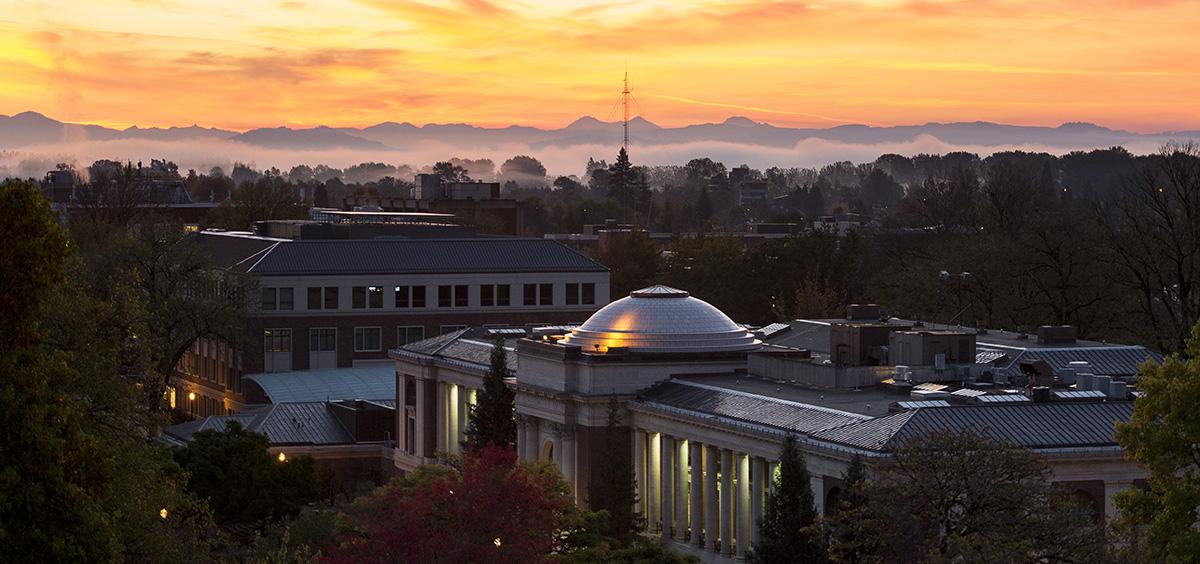
We welcome thousands of guests to our campus and community every year. Let us help you…
Conference Services advances OSU’s research, outreach and engagement mission by supporting faculty in the development and production of high impact conferences and events in The LaSells Stewart Center as well as other venues. We are strategic and creative in the planning of events which allows faculty and students the opportunity to share the stories and impact of OSU across Oregon, the nation and the world.
Interested in hosting or planning a conference or workshop either on or off campus?
Do you need help with online registration, credit card processing, website development, event design, managing event budgets and financial transactions?
We welcome outside groups to campus and let us be the first to welcome you to -

