


skip page navigationOregon State University
OSU HomeCalendarFind SomeoneMapsSite Index
Prospective StudentsCurrent StudentsParents & FamilyFaculty & StaffAlumni & FriendsVisitors

Office of the Dean of Student Life

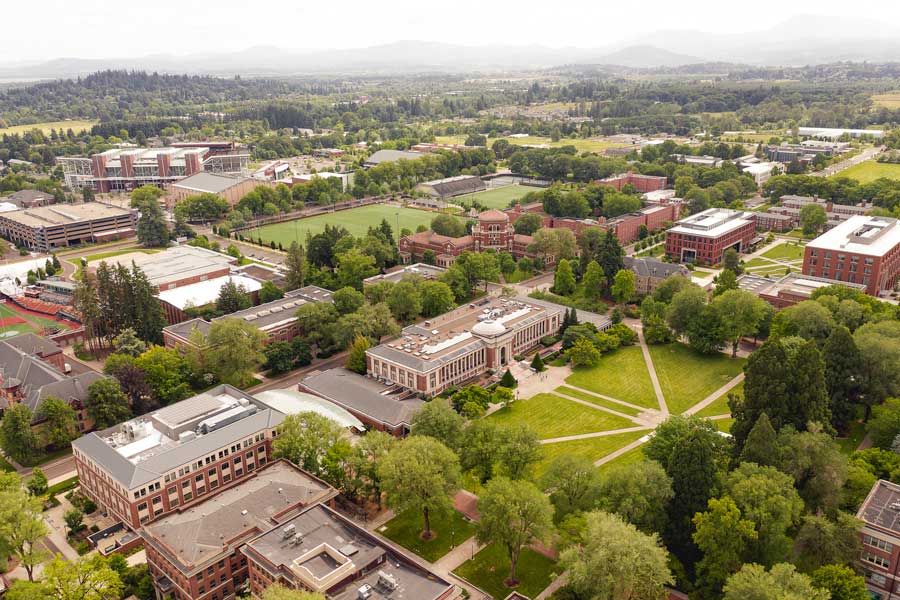
OSU Campus photos
OSU Home » Dean of Students » Disruptive Behaviors

Faculty Guide to Disruptive and Distressed Student Behavior


As a member of the OSU community, you provide students with the education and services they need to enjoy a successful college experience. At times, you may encounter students who exhibit distressed or disruptive behaviors. The following guide will assist you in successfully helping these students.

What is Disruptive Behavior?

While the University is a place where the free exchange of ideas and concepts allows for debate and disagreement, all classroom behavior and discourse should reflect the values of respect and civility. Disruptive behavior is defined as behavior that “interferes with university or university-sponsored activities, including but not limited to classroom related activities, study, teach, research, intellectual or creative endeavors, administration, service or the provision of communication, computing or emergency services.” Disruptive behavior by students occurs on a continuum of low-risk to high-risk behaviors.

Minimally Disruptive Behavior

In cases where the behavior is minimally disruptive, it is recommended that the staff or faculty member talk with the student immediately upon observing the behavior. The purpose of this discussion is to review the disruptive behavior and its impact on the learning environment. This discussion should include behavioral expectations: how the student can correct the behavior and probable consequences should the behavior persist. Examples of minimally disruptive behaviors in the classroom include being late to class, beepers and cell phones going off during class, and reading the newspaper. In a work environment, minimally disruptive behaviors may include ignoring the instructions of a university official, yelling, or blocking access to university resources.

Significant Disruptive Behavior

There are times when behavior is so disruptive that an immediate referral to The Office of Student Conduct is appropriate. The term “classroom disruption” means behavior a reasonable person would view as interfering with the conduct of a class. Examples of increasing seriousness include making distracting noises, persistently speaking without being recognized, repeatedly interrupting, or resorting to physical threats or personal insults.

When a very serious or threatening incident of disruptive behavior occurs in the classroom, academic building, or on the campus, Oregon State Police should be contacted immediately by calling 737-7000.

What is Distressed Behavior?

Faculty and staff can play an extremely important role in referring students for help. You are frequently in a position to first observe signs of distress and, although it’s not always apparent, students typically hold faculty and staff in high regard. Signs that a student is distressed include: excessive class absences, declining academic performance, poor emotional control, excessive moodiness, sleeping and/or eating habits that change dramatically, excessive concern about personal health, persistent depression, talking openly about suicide, or repeatedly engaging in risky behavior.

Helping the Distressed Student

A simple and straightforward expression of concern is, in most cases, the most powerful way of helping a student. Tell them what you have observed and that you are concerned about their well-being and their success. Explain that there are services available on campus (see below) to help students get back on track when life circumstances are getting in the way. In some cases, it may be helpful to offer to walk over to OSU Counseling & Psychological Services (5th floor, Snell Hall) with the student or to call to let the office know that a student is coming over. Assure the student that counseling services are a confidential place to discuss their concerns.

If you are unsure about whether or how to intervene with a student who appears to be distressed, ask yourself the following questions:

  • Is this student’s behavior distressingly out of the ordinary?
  • Is this beyond my skill level?
  • Is the behavior getting worse?
  • Does the behavior place anyone at risk?
  • Am I feeling like I want to talk with someone about my observations and concerns?

If you answer "yes" to any of these questions, it is a good idea to consult with a colleague. Call OSU Counseling & Psychological Services and ask to talk with the on-call counselor. If a counselor is not immediately available and you don’t feel you can wait, ask if someone else is available for consultation.

Consultation

If the behavior feels potentially harmful, intimidating, threatening, or disturbing, it is wise to consult early on, before the conduct becomes an emergency. The level of risk to the individual or community should determine the course of action taken. Many faculty and staff members find it helpful to consult with their department chair, Department of Public Safety, the Office of the Dean of Student Life, Student Conduct, or OSU Counseling and Psychological Services on specific situations to discuss the behavior and possible methods of response. This consultation may lead to referral to counseling services, the initiation of a Student Conduct investigation, or police response. We encourage you to consult early and often.

Additional Resources

  • Distress Among College Students (Microsoft PowerPoint presentation)
  • Student Conduct - "Disruptive Behavior"
  • Responding to Distressed & Disruptive Student Behavior (Microsoft PowerPoint Presentation)
  • Educational presentations are available for staff and faculty groups on responding to distressed and disruptive student behaviors. An overview of this information can be found in the PowerPoint presentation listed above. To request a presentation contact the ODSL at 737-8748 or Dean of Students .
  • The Critical Incident Response (CIRT) Leadership Team meets weekly for case management. The CIRT Leadership Team includes representatives from the Office of the Dean of Student Life, Counseling and Psychological Services, Student Health Services, Student Conduct & Community Standards, Disability Access Services, Public Safety, and Oregon State Police. These meetings are used to thoroughly discuss student incidents and emerging campus issues. The entire CIRT continues to meet monthly to further discuss critical incidents and emerging student situations. Refer to Critical Incident Response Team for more information about CIRT.

  • If you would like to bring a student incident or situation to our attention, contact Office of the Dean of Student Life at 737-8748 or by email Dean of Student Life . In an emergency situation you should contact Oregon State Police Dispatch at 737-7000.

Contact Numbers

Emergency:
  • Oregon State Police 7-7000
Non-Emergency – Consultation or Referral:
  • Oregon State Police/Public Safety 7-3010
  • Student Conduct & Community Standards 7-3656
  • Office of the Dean of Student Life 7-8748
  • University Counseling & Psychological Services 7-2131
Prospective StudentsCurrent StudentsParents & FamilyFaculty & StaffAlumni & FriendsVisitors