2011/12 • Ken Abala PERSPECTIVES ON EATING
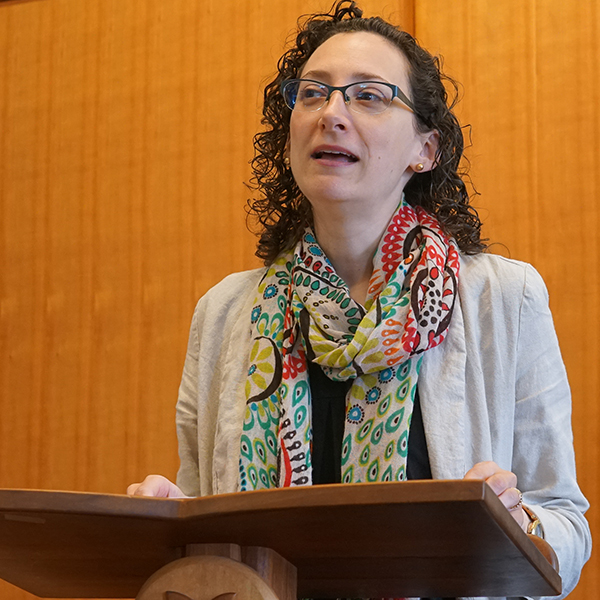
Perspectives on Eating From the Past: Grow Food, Cook Food, Share Food is a three lecture series that will describe, without romantic sentimentality, the ways our food production system, our methods of food preparation and modes of consumption have changed over time to the detriment of human happiness, health and community. Creative suggestions will be made regarding ways we can recapture the positive aspects of past foodways without endangering food security or turning back the clock by abandoning the many valuable advances of the last century. History offers constructive examples of how we can better grow food, cook it and share it, if only we have the means to listen and learn from food writers of the past.
Grow Food: November 8
Cook Food: November 10
Share Food: November 11
|

|
2010/11 • Joe Cain SEEING SCIENCE SIDEWAYS
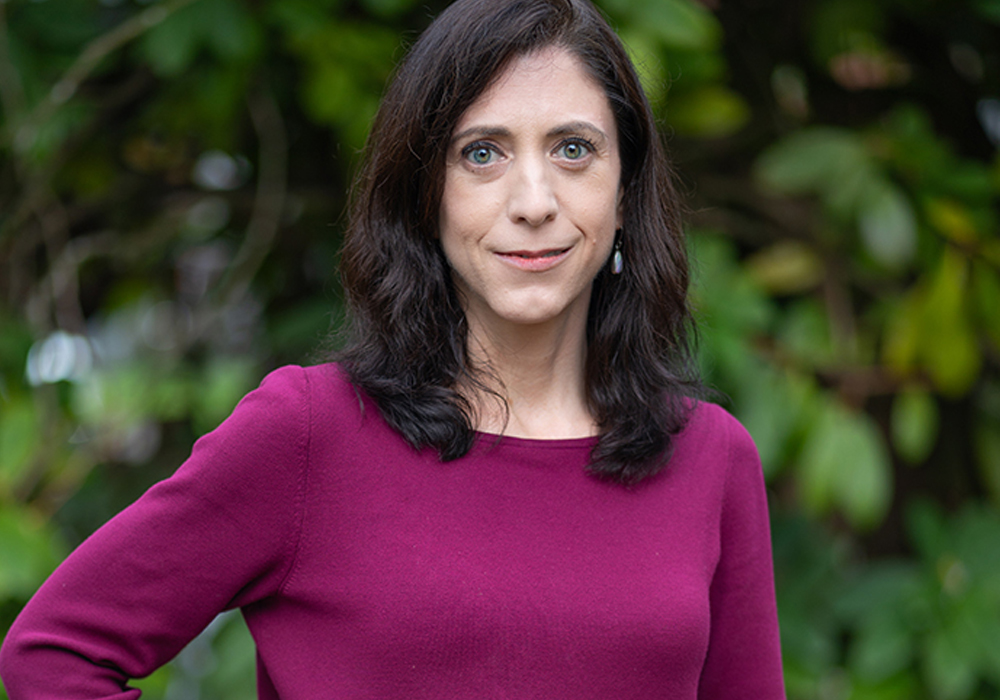
“Seeing science sideways” is a series of three lectures that look at science from the point of view of an observer rather than a participant. The lectures will look at scientists, the people they interact with, the places they work and play, and what they do when they’re working—and when they kick back. Joe Cain, a historian who works in a college of science, believes this kind of study tells us a lot about science and how it works, and that it can be done without either complicity with its subjects or undermining their work.
Play - Studying jokes and pranks reveals a lot about scientists and their disciplines, especially their informal worlds.
Romance - The image of the lone researcher tucked away in an isolated lab is simply a myth. Studies of collaborations between intimate partners provide a springboard for rethinking patterns of work and the flow of creativity we find at the heart of scientific activity.
Show - Science does many things, and one thing it does quite well is entertain. Some scientists use the spotlight to push their own agenda forward, reducing the dissent of experts to dust. |

|
2009/10 • Pamela O. Long THE ARTISAN / PRACTITIONER & THE SCIENTIFIC REVOLUTION
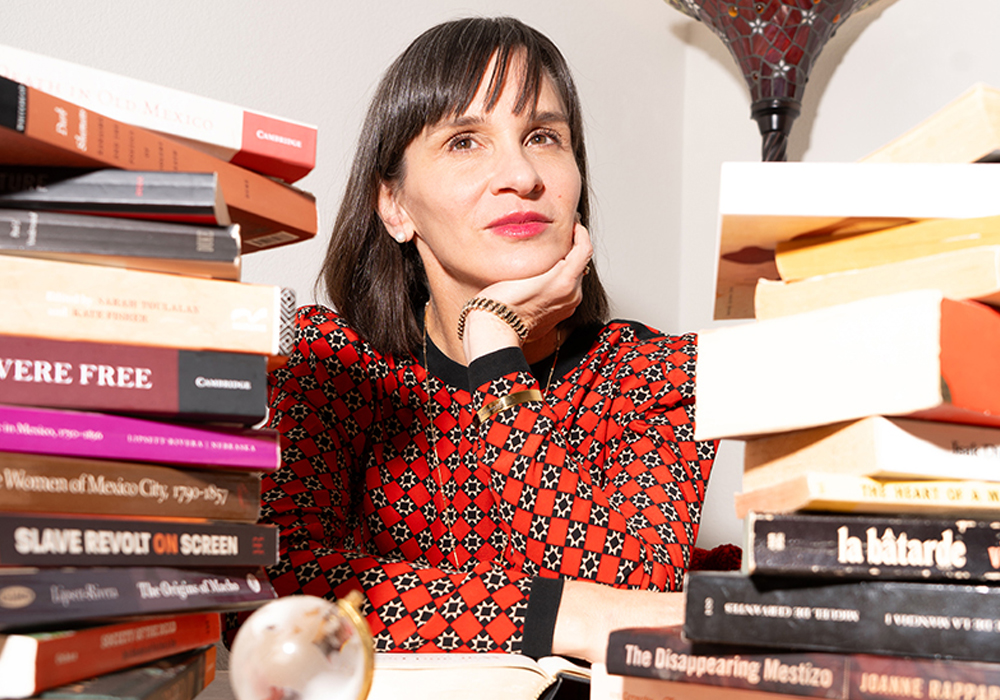
The complex series of events referred to as the “Scientific Revolution” brings to mind the discoveries of men such as Galileo and Newton. It also refers to profound changes in understanding the natural world and in the methods used for investigating nature, including empirical research, hands-on manipulation, individual examination, the use of instruments, and the growing utilization of mathemat- ics, laboratories, and experiments. These lectures focus on the ways in which artisans, craftsmen and craftswomen, architect/engineers, and other practitioners influenced the development of new methodologies for the investiga- tion of nature in the 15th and 16th centuries.
The Artisan/Practitioner and the Scientific Revolution: An Issue in the History of Science Tuesday, April 27
Art and Nature: A Changing Relationship in the 15th and 16th Centuries Thursday, April 29
Trading Zones: Exchanges of Practice and Learning in Renaissance Europe Friday, April 30

|

|
2008/09 • John Beatty EVOLUTIONARY CONTINGENCY & ITS BROADER SIGNIFICANCE: FROM CHARLES DARWIN TO STEPHEN JAY GOULD
In his 1989 book Wonderful Life, Stephen Jay Gould posed the following thought experiment: If we could rewind the tape of life back to some point in the past, and then push “play,” would things turn out as before? Gould argued that we would get a different outcome every time. Beatty’s three lectures will address the idea of evolutionary contingency, from Darwin to Gould (and beyond), and also some of the broader scientific, theological, and moral issues that have been raised in connection with this sort of unpredictability.
Charles Darwin: “The Details Left to Chance” Tuesday, April 14
The Water-Babies (1862): An Evolutionary Parable Thursday, April 16
Stephen Jay Gould: “Replaying Life’s Tape” Friday, April 17
|
 |
2007/08 • Lawrence Principe THE SECRETS OF ALCHEMY
The word alchemy conjures up images of dimly lit laboratories, mysterious practices, and secretive sages. But alchemy has also become a vibrant area of research for historians of science, and these studies reveal alchemy’s significant place in early modern culture. Far from being irrational practitioners, alchemists contributed to matter theory, technology, ideas of experiment, and a host of other issues at the heart of modern science. Yet the allure and promise of the Noble Art inspired not only laboratory workers, but artists, philosophers, and theologians. Indeed, alchemy provides a gateway for the deeper understanding of the way early modern thinkers conceived of the world and their place in it. These lectures will present the content and context of alchemical thought, its secret speech, its diversity of forms and applications, and its growth, vibrancy, and demise.
The Noble Art of Alchemy: Contents and Contexts Tuesday, April 15
The Place of Alchemy in Early Modern Culture and the History of Science Thursday, April 17
The Transmutations of Chymistry: Products and Pathways Friday, April 18
|

|